Bringing a puppy home is one of the most exciting and rewarding moments in a dog lover's life. Those adorable eyes, wagging tail, and clumsy hops melt your heart. But just like bringing a toddler into the house, a puppy also brings with it a wealth of curiosity, energy, and mischief. To prevent accidents, damage, and stress, it's important to puppy-proof your home.
In this blog, you'll read step-by-step how to prepare your home for the arrival of your new four-legged friend, so that your puppy can grow up safe, healthy, and happy.
1. Why puppy-proofing is so important
Puppies explore the world with their noses, eyes, and especially their mouths. This means they love to sniff, lick, scratch, and chew on everything.
An unsafe home can lead to:
-
Dangerous situations (e.g. electrical cables or poisonous plants).
-
Damage to belongings (furniture, shoes, carpets).
-
Stress for you and your puppy .
With good preparation you protect both your dog and your home.
2. Start with a puppy-proof plan
Before you start, it's helpful to view your home through the eyes of a puppy:
-
Crawl around your house on your hands and knees and see what is at the puppy's eye level.
-
Pay attention to anything that hangs loose, wobbles, or looks tempting to bite into.
-
Make a list of risks per room.
3. Puppy-proof per room
a. Living room
-
Concealing cables: Use cable ducts or special protective sleeves.
-
Tidy up small items: Think of remote controls, batteries, coins and children's toys.
-
Check plants: Some plants such as lilies, dieffenbachia and aloe vera are poisonous to dogs.
b. Kitchen
-
Securing the trash can: Use a trash can with a lockable lid or place it behind a cupboard door.
-
Foods out of reach: Chocolate, grapes, raisins, onions and garlic are poisonous to dogs.
-
Storing cleaning products: Always place in locked cupboards.
c. Bathroom
-
Toilet lid closed: Prevent your puppy from drinking from the toilet.
-
Store medications high: Many medications are life-threatening to dogs.
-
Lock the laundry basket: Dirty socks and underwear can pose a suffocation hazard.
d. Bedroom
-
Storing clothes and shoes: Puppies love to chew on shoelaces and leather.
-
Cover electrical outlets: Especially if they are at puppy height.
-
Store jewelry safely: Small parts may be a choking hazard.
e. Garden or balcony
-
Remove poisonous plants: Think of yew, oleander and boxwood.
-
Check the fence or gate: Make sure there are no holes that your puppy can crawl through.
-
Fencing off a pool or pond: Prevent your puppy from accidentally falling in.
-
Securing your balcony: Use nets or planks to screen off openings.
4. Basic equipment for a safe start
A safe environment is important, but your puppy also needs the right supplies:
-
Crate or puppy pen for times when you can't keep an eye on him.
-
Safe chew toys to prevent him from chewing on furniture or cables.
-
Food and water bowls (preferably stainless steel).
-
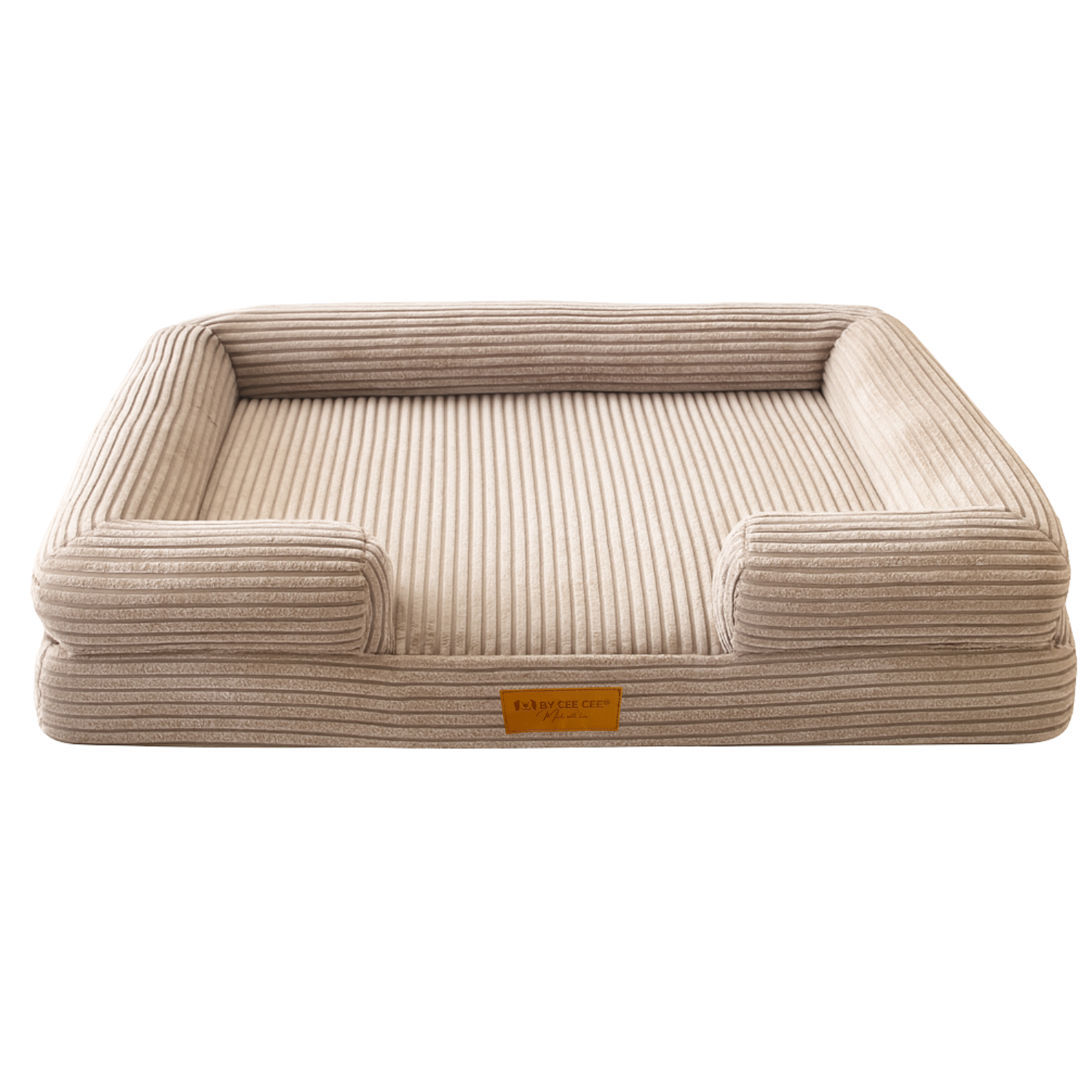
Dog basket or cushion in a quiet place.
-
Collar or harness with name tag .
-
Outdoor poop bags .
5. Training: safety through education
In addition to physical adjustments, training is essential for a safe home:
-
Potty Training: Start immediately to reduce accidents.
-
Teaching the 'No' command: So that your puppy knows what is forbidden.
-
Socialization: Let him get used to new sounds, people and situations slowly.
-
Reward instead of punish: Reward good behavior with snacks, toys or attention.
6. Common mistakes when puppy-proofing
-
Too much freedom at once: Start with one safe room and expand slowly.
-
Forgot to look high: A puppy can jump surprisingly high.
-
No supervision: Even in a puppy-proof room, things can go wrong.
-
Starting training too late: The sooner, the easier it will be.
7. Extra tips for a stress-free start
-
Create a puppy play corner: A place where he can play and sleep safely.
-
Use baby gates: Useful for temporarily closing off areas.
-
Schedule rest periods: Puppies need a lot of sleep to grow.
-
Do not leave him alone with children: Always supervise both the child and the puppy.
8. Puppy-proof house checklist
✅ All poisonous plants removed or out of reach.
✅ Cables concealed or protected.
✅ Trash can closed.
✅ Cleaning supplies and medicines stored away.
✅ Crate or run ready for use.
✅ Safe toys available.
✅ Garden/balcony checked for escape routes.
✅ Basic commands started.
Conclusion
Puppy-proofing your home takes some time, but it's an investment in safety, peace of mind, and fun. By preventing dangerous situations and providing your puppy with a safe, familiar environment, you lay the foundation for a happy and healthy start together. And don't forget: a well-prepared puppy owner is often a more relaxed puppy owner—and your dog will sense that.